22 May 2016

Pisae / Portus Pisanus (Italy)

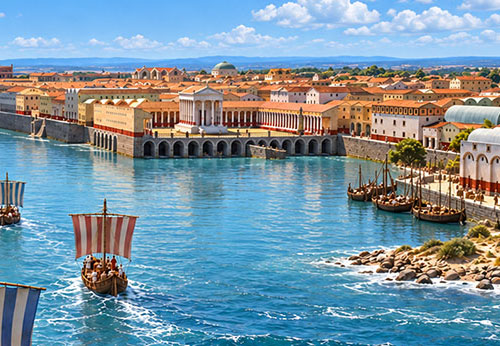
Pisae or Portus Pisanus, today Pisa, is located at the mouth of the river Arno on the west coast of Italy. It became a Roman colony in 180 BC and a municipium in 89 BC. Augustus fortified the colony into an important port and changed the name as Colonia Iulia Pisana Obsequens.

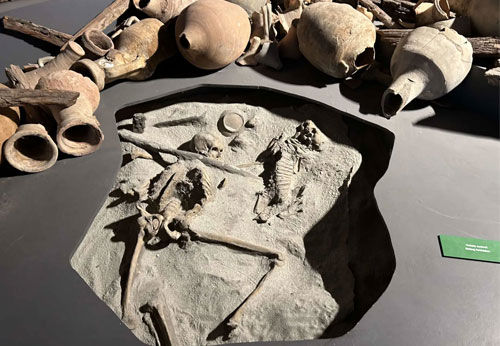
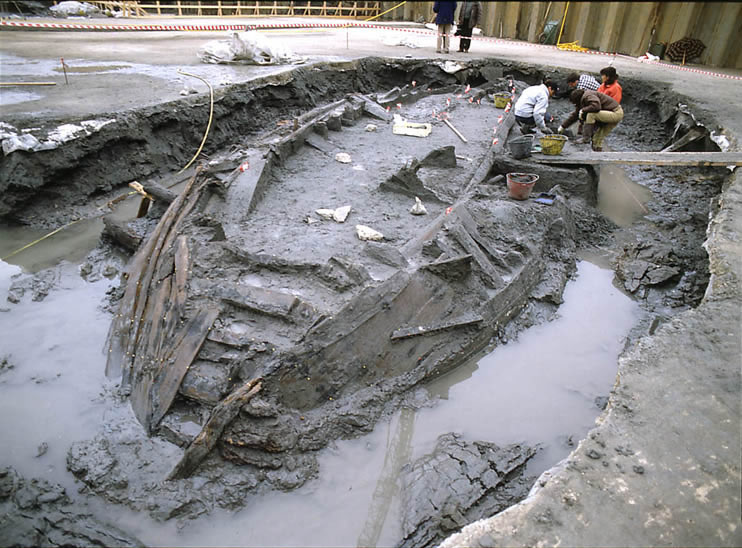
In 1998, during preparatory work on the new railway station in Pisa, the remains of the harbour of Pisae were discovered. In it were found several ancient ships, perfectly preserved. Further excavations yielded over 15 vessels dating from the first century BC to the sixth century AD. Most of the ships were in good condition and contained sealed clay amphorae filled with items such as olives, walnuts and wine. These and other items such as sailor's personal possessions are on display in the Pisa Roman Ship Museum.

See also:
- "The lost harbour of Pisa", also available in Dutch.
Do you appreciate our work?

Support us with a donation.

Become a member and support us
Recent articles & projects

Ostia, supplier of Rome or marketplace of the Mediterranean?

Ostia, supplier of Rome or marketplace of the Mediterranean?

The changing economic role of Ostia after the construction of Portus in the light of new archaeological evidence.

Read more …

Carthago Nova, the perfect harbour of the (new) new town

Carthago Nova, the perfect harbour of the (new) new town


After Hasdrubal's death, his nephew Hannibal became commander-in-chief of the Carthaginian forces in Hispania....

Read more …

Isola Sacra Index

Isola Sacra Index

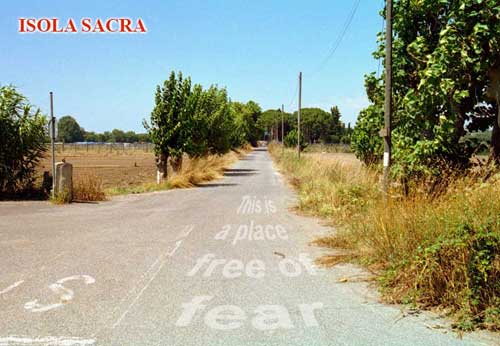
Speciale sectie over de Romeinse begraafplaats van Portus (Engels)....

Read more …

The resurfaced fleet of Pisa

The resurfaced fleet of Pisa

In 1998, an incredible archaeological heritage was discovered by accident near the Pisa San Rossore railway station....

Read more …

Leptiminus

Leptiminus

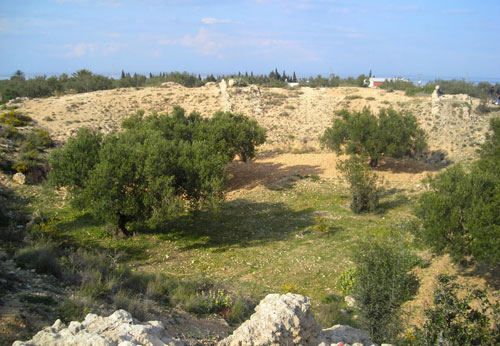
At the site of present-day Lamta on Tunisia's east coast, there was already a port city named Leptis Minor ....

Read more …
Latest news

About Roman Ports

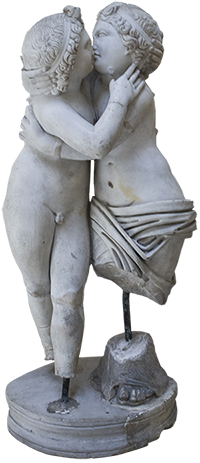
Amor and PsycheWe are committed to providing versions of our articles and interviews in several languages, but our first language is English.

Please become a member of the Facebook group, which is our main communication platform. There you can learn about upcoming events and items of interest, post your own photos, or share any stories or general questions you may have.

If you have specific questions about our organisation, questions about financial issues, if you would like to assist in the production of our online magazine, or if you have specific requests or ideas for content, use our contactform below. You can contact us in any language!