Tomb 36
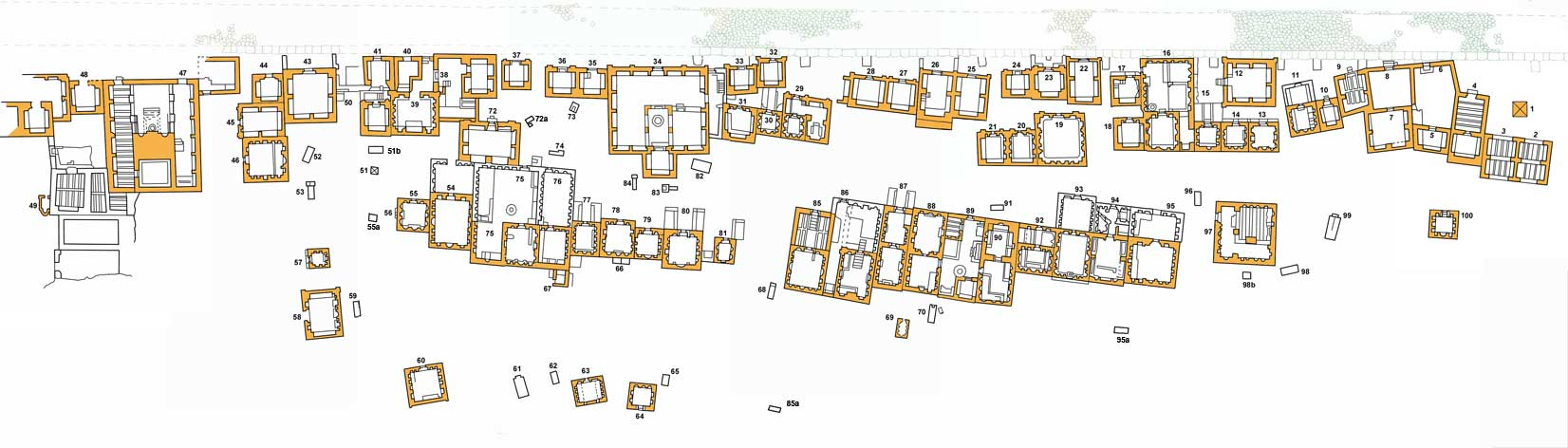
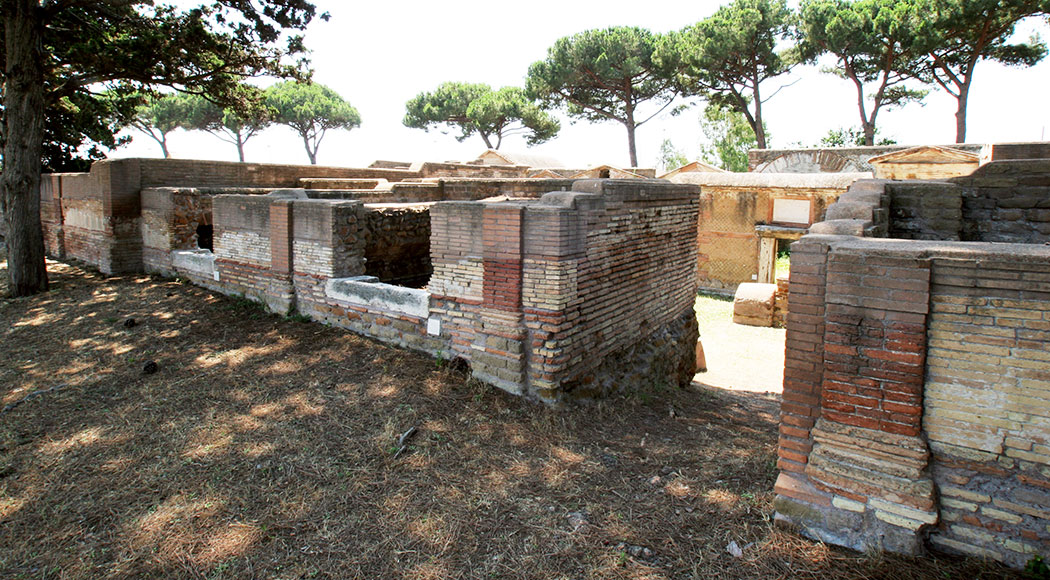
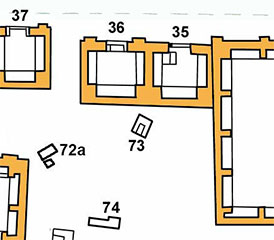 Tombs 35 and 36 were built as one grave with two burial chambers, each with its own entrance, facing the Via Severiana.
Tomb 35 borders on the south to tomb 34. Tomb 36 is detached on three sides and shares with tomb 37 s passage to the graves behind.
Both graves are arranged for inhumation only.
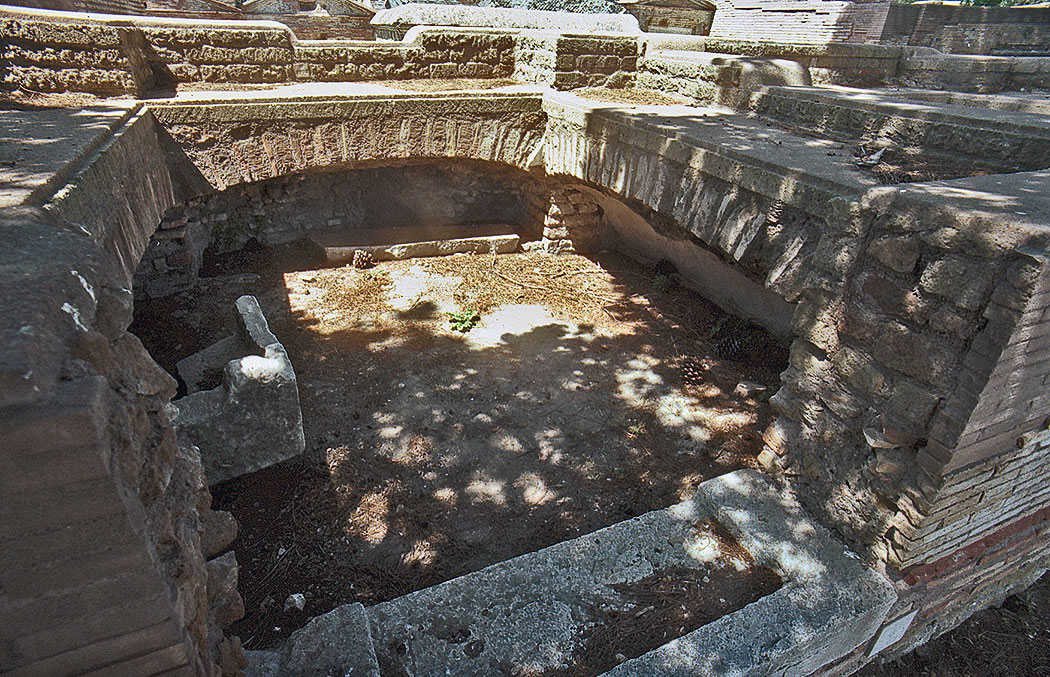
Also beneath the floor burial places were located. The walls have double rows of arcosolia.
Between the rubbish of the collapsed walls marble fragments have been found during the excavations. This points to sarcophagi or to arcosolia with marble covers.
The floor had a black-and-white mosaic. In tomb 35 are still some traces of painted decorations with flowers in the niches.
The tombs date from a rather late period (first half of the third century AD).
- Sources
- Russel Meigs - Roman Ostia, At the Clarendon Press 1973
- Guido Calza - Necropoli nell'Isola Sacra'(1940)
- Dr. Jan Theo Bakker.
- Hilding Thylander - Inscriptions du port d'Ostie (Lund C W K Gleerup 1952).
- Ida Baldassarre, Irene Bragantini, Chiara Morselli and Franc Taglietti - Necropoli di Porto, Isola Sacra (Roma 1996).
Ostie, fournisseur ou place de marché de Rome
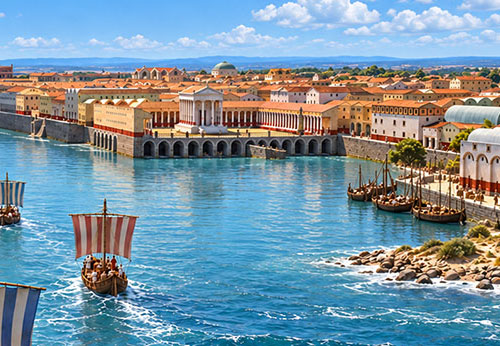
L’évolution du rôle économique d’Ostie après la construction de Portus à la lumière de nouvelles données archéologiques.
Lire la suite...Carthago Nova, le port idéal de la (nouvelle) ville nouvelle
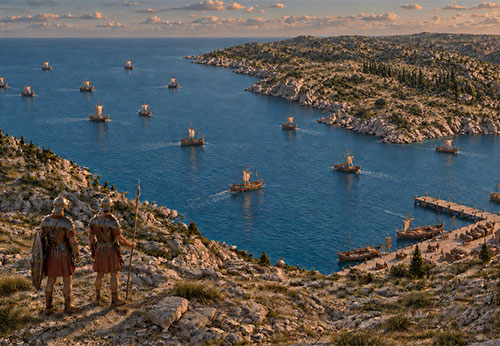
Après la mort d’Hasdrubal, son neveu Hannibal devint commandant en chef des forces carthaginoises en Hispanie....
Lire la suite...Isola Sacra Index (F)
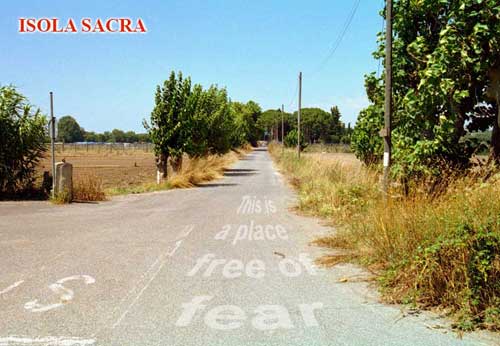
Section spéciale consacrée au cimetière romain de Portus (en anglais)....
Lire la suite...La flotte de Pise retrouvée
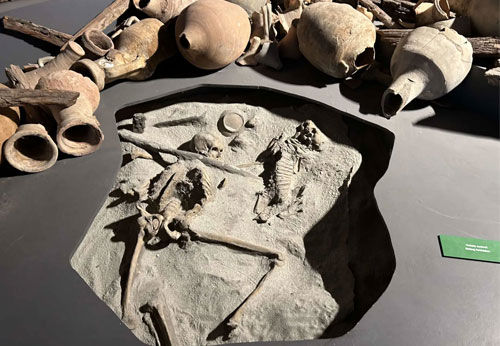
En 1998, un incroyable patrimoine archéologique a été découvert par hasard près de la gare de Pisa San Rossore....
Lire la suite...Leptiminus
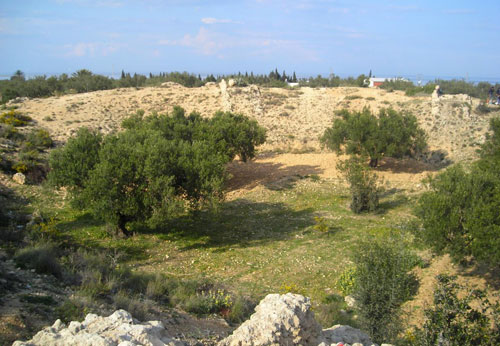
À l’emplacement de l’actuelle Lamta, sur la côte est de la Tunisie, existait déjà dans l’Antiquité une ville portuaire appelée Leptis Minor....
Lire la suite... We are committed to providing versions of our articles and interviews in several languages, but our first language is English.